
If you have ever wondered what is ARD in elevator systems — the answer is straightforward. An Automatic Rescue Device (ARD) is a battery-powered safety unit that activates the moment mains power fails. It moves the lift car to the nearest floor at a controlled speed of 0.3–0.5 m/s and opens the doors automatically so passengers can exit safely — without waiting for a technician or rescue team.
For building owners across Dhaka, power cuts are a daily reality. Without an ARD, every outage risks passenger entrapment. With one, the elevator handles the emergency on its own.
At Sheikh Elevator World, we have installed and serviced ARD systems in residential towers, commercial buildings, and hospitals across Mirpur, Gulshan, Uttara, and Banani. In our experience, buildings that skip ARD installation almost always face an entrapment incident within the first two years of heavy operation — and the emergency cost far exceeds the price of the device itself.
This guide covers how ARD works, what it costs in Bangladesh, how it differs from a UPS, and what maintenance it requires.
Key Takeaways
- The Elevator Automatic Rescue Device (ARD) activates automatically during power failures to safely lower elevators to the nearest floor at a controlled speed of 0.3–0.5 m/s.
- ARD systems use backup power sources integrated with elevator controls to prevent passenger entrapment and panic.
- Key safety features include controlled descent speed, passenger alerts, and compliance with elevator safety regulations such as EN 81-1/2, ISO 4190, ASME A17.1, and BNBC.
- Installing an ARD enhances passenger safety, reduces elevator downtime, and ensures regulatory compliance in residential and commercial buildings.
- The ARD installation process involves system assessment, device integration, and rigorous testing for reliable emergency operation.
- Maintenance of ARDs requires scheduled inspections, backup power testing, and adherence to local safety standards including BNBC provisions.
- Emergency power technologies are essential for ARD functionality, providing seamless operation during power outages.
- Advancements in ARD and backup systems improve elevator safety and emergency evacuation efficiency.
- Professional installation and maintenance services ensure ARDs meet safety standards and operate effectively during emergencies.
Operational Mechanisms
The ARD employs an integrated control architecture to maintain safety during power interruptions. Upon detection of mains loss, the device engages a backup power source and interfaces with the elevator control system to manage a controlled descent at a speed typically between 0.3 and 0.5 meters per second. The unit operates automatically without manual intervention and regulates descent speed to prevent sudden movements or impact that could cause injury.
Technical and historical developments illustrate the evolution of rescue systems for both hydraulic and rope-driven elevators facing power failures.
Elevator Rescue Systems for Power Failures
Being trapped in an elevator is a serious hazard, and power failure is the most frequent cause. Hydraulic elevators allow relatively simple rescue operations using a battery-operated auxiliary valve to bring the car to the nearest lower floor. Similar systems have been adapted for rope (traction) lifts. In a power failure, a self-triggering system can energize the main motor from a battery; electronic converters transform battery energy into the alternating current required to run the motor. The door motor can be powered from the same source, permitting passengers to leave the car when it reaches the landing.Source: J. Smith, “Rescue Systems For Rope Elevators,” Elevator World, 1993
Safety Features
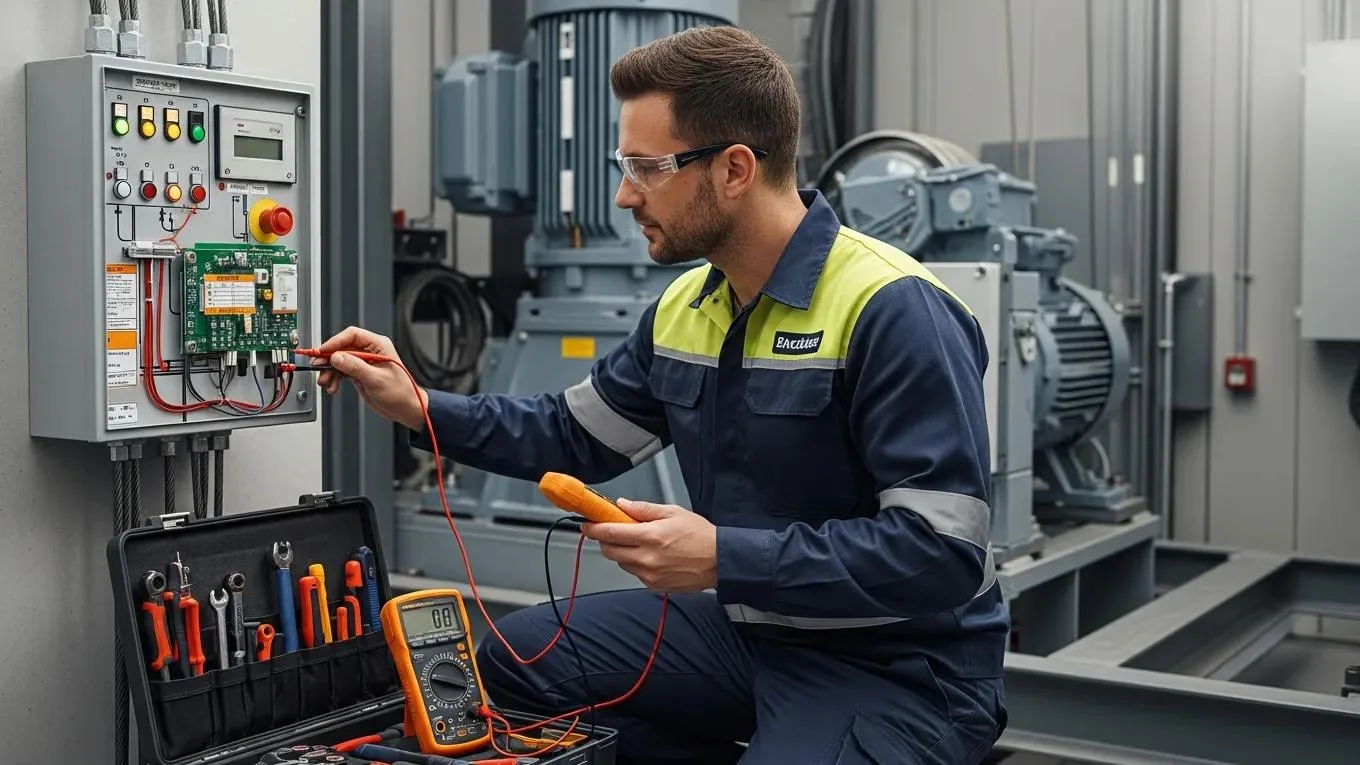
Safety is integral to ARD design. Core features include an emergency descent mode to deliver the car to the nearest landing during power loss at a controlled speed of 0.3–0.5 m/s, occupant notification systems to inform passengers of status and actions taken, and conformity with applicable safety standards and regulations such as EN 81-1/2, ISO 4190, ASME A17.1, and BNBC to ensure reliable performance.
Applicable Safety Standards for ARD Systems in Bangladesh
Building owners and developers in Dhaka should understand that ARD systems are not optional add-ons — they are required components under internationally recognised elevator safety frameworks. At Sheikh Elevator World, every ARD we supply and install is selected to meet the safety requirements relevant to Bangladesh construction and elevator practice.
The following standards govern ARD design, performance, and installation requirements:
EN 81-20 and EN 81-50 — European Elevator Safety Standards
The EN 81-20 and EN 81-50 standards are the current European benchmark for elevator construction and installation safety. EN 81-20 covers safety requirements for building and installing lifts for passengers and goods, while EN 81-50 covers testing and examination of lift components. These replaced the older EN 81-1 and EN 81-2 standards in August 2017 and are widely referenced by elevator manufacturers and safety auditors across Asia, including Bangladesh.
For ARD systems, these standards define the controlled descent speed requirements, backup power specifications, and passenger notification obligations that a compliant device must meet.
ISO 4190 — Lift Installation Dimensions and Classifications
The ISO 4190 lift installation standard specifies the dimensional and classification requirements for passenger and goods lifts across different building types. It categorises lifts by class — from residential low-rise to high-speed commercial installations — and informs which safety devices, including ARD systems, are appropriate for each configuration.
Building owners planning new lift installations or retrofitting existing systems in Dhaka should ensure their chosen ARD is compatible with the lift class as defined under ISO 4190.
ASME A17.1 — Safety Code for Elevators and Escalators
The ASME A17.1 Safety Code for Elevators and Escalators is the North American standard widely adopted as an international reference for elevator safety design and maintenance. It covers design, construction, installation, operation, inspection, testing, maintenance, and repair of elevator systems including emergency rescue devices.
Many elevator component manufacturers supplying Bangladesh certify their ARD products against ASME A17.1 requirements, making it a relevant benchmark when evaluating ARD quality and reliability.
Bangladesh National Building Code (BNBC)
The Bangladesh National Building Code (BNBC) is the primary local regulatory framework governing building construction and safety in Bangladesh, including provisions for vertical transportation systems. Building owners in Dhaka are required to comply with BNBC provisions when installing or upgrading elevator systems in residential, commercial, and mixed-use properties.
In our experience working across Mirpur, Gulshan, Uttara, and Banani, buildings that align their elevator safety investments with both BNBC requirements and international standards face significantly fewer compliance issues during inspections and handovers.
A note on standards compliance: Meeting a safety standard on paper is not the same as having a correctly installed and regularly tested system. An ARD that was compliant at installation but has never been tested since may not perform during an actual power failure. Scheduled testing and maintenance are what keep compliance real.
Need help confirming your building’s ARD meets current standards? Chat with Sheikh Elevator World on contact page or visit Sheikh Elevator World for a free compliance assessment across Dhaka.
User Benefits
Fitting an ARD delivers measurable benefits for building operators and occupants. Primary advantages include improved passenger safety, reduced operational disruption during outages, and enhanced compliance with regulatory requirements.
- Increased Safety for Passengers : The ARD ensures that passengers are not trapped in elevators during power outages, significantly reducing the risk of panic and injury.
- Peace of Mind for Users : Knowing that an ARD is in place provides reassurance to building occupants, especially in high-rise structures where elevator use is frequent.
- Reduced Downtime During Emergencies : The ARD minimizes the time elevators are out of service during power failures, allowing for quicker resumption of normal operations.
Sheikh Elevator World provides comprehensive elevator solutions, including ARD systems engineered to address defined safety requirements.
What is an Elevator Automatic Rescue Device and How Does It Enhance Lift Safety?
An Elevator Automatic Rescue Device (ARD) is a safety mechanism that ensures controlled evacuation of occupants during emergencies, principally power failures. The ARD detects loss of mains, engages a backup power source, and regulates the car descent at a controlled speed of 0.3–0.5 m/s to permit safe egress. It is compatible with multiple elevator configurations and applicable to residential and commercial installations.
Understanding what is ARD in elevator installations begins with one simple fact: it is the only system designed specifically to rescue passengers during a power failure, not just maintain power continuity.
What is ARD in an elevator? What are the Key Benefits of Installing an ARD in Residential and Commercial Elevators?
Installing an ARD improves occupant safety and assists building owners in meeting regulatory obligations. The principal benefits include enhanced safety, simplified compliance with codes, and greater operational reliability during emergency events.
- Safety Improvements : The ARD significantly reduces the risk of passengers being trapped in elevators during power outages, enhancing overall safety.
- Compliance with Regulations : Many building codes and safety regulations, including EN 81-1/2, ASME A17.1, ISO 4190, and BNBC, now require the installation of ARDs in new elevator systems, making compliance easier for building owners.
- Operational Reliability : The ARD ensures that elevators can operate safely even in emergencies, providing a reliable solution for building management.
Sheikh Elevator World provides expert installation services for ARDs, ensuring that your elevator systems meet the highest safety standards.
ARD vs UPS — Key Differences
Buyers often confuse Elevator Automatic Rescue Devices (ARDs) with Uninterruptible Power Supplies (UPS) because both provide backup power during outages. However, their functions differ significantly. A UPS supplies temporary power to keep elevator systems running during short interruptions, maintaining normal operation. In contrast, an ARD specifically manages a safe, controlled descent of the elevator car to the nearest floor during power failures, ensuring passenger safety. While UPS systems focus on power continuity, ARDs focus on emergency evacuation. Understanding this distinction is crucial for building owners when selecting safety solutions.
How is the ARD Installation Process Conducted and What Are the Cost Factors in Bangladesh?
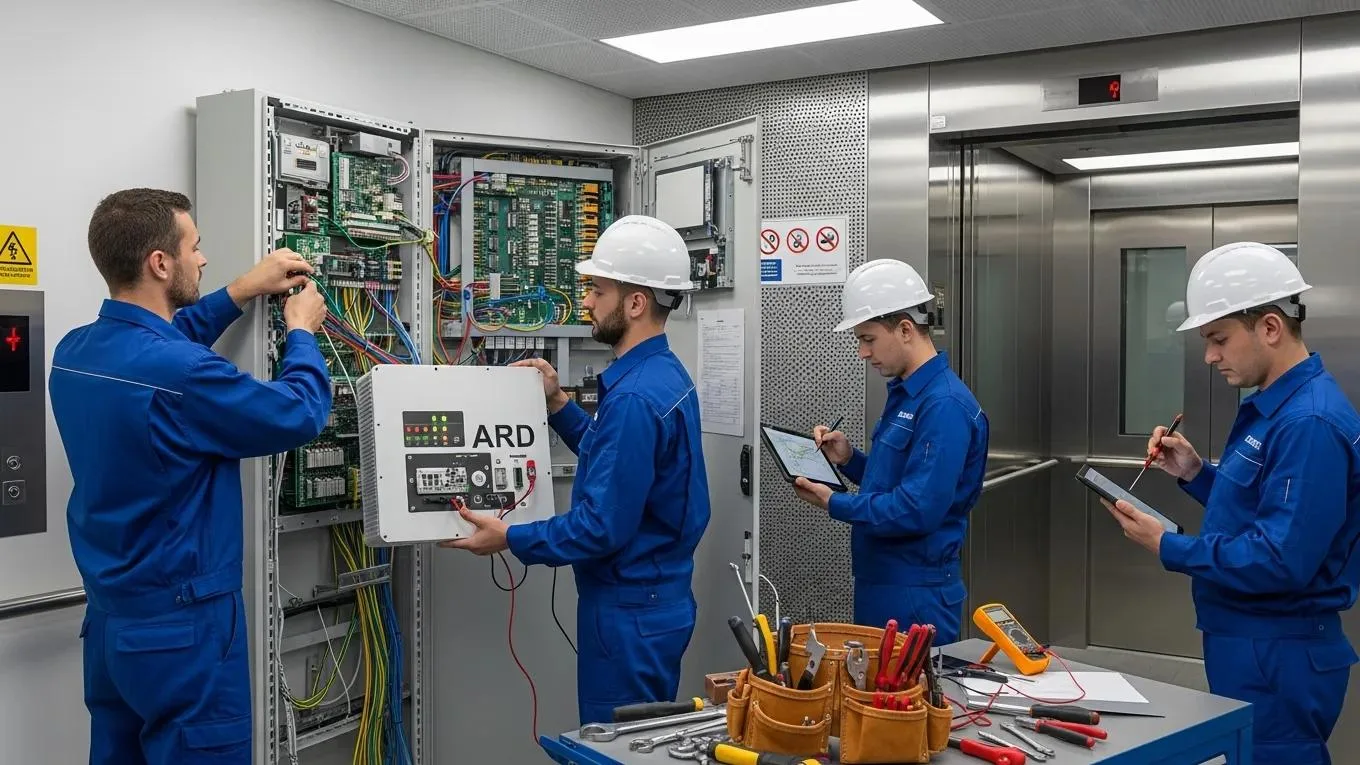
ARD installation follows defined stages to ensure operational effectiveness and regulatory compliance. Typical stages include system assessment, device integration, and final testing and certification.
- Assessment of Existing Elevator Systems : A thorough evaluation of the current elevator system is conducted to determine compatibility with the ARD.
- Installation of the ARD Unit : The ARD unit is installed, integrating it with the elevator’s control system and backup power source.
- Testing and Certification : After installation, the system undergoes rigorous testing to ensure it operates correctly during power failures.
ARD installation costs in Bangladesh vary according to system complexity and site requirements. Key cost drivers include elevator type, existing infrastructure, and any additional safety measures required. The following table provides realistic estimated price ranges in Bangladeshi Taka (BDT):
The table summarises factors that influence ARD installation cost, providing clarity for prospective clients.
ARD Failure Modes and Redundancy Mechanisms
While ARD systems are designed for high reliability, potential failure modes include battery depletion, control system faults, and mechanical descent control issues. To mitigate these risks, redundancy mechanisms are implemented such as dual battery banks, fail-safe braking systems, and continuous self-diagnostics. These features ensure that even if one component fails, the ARD can still perform a safe controlled descent, maintaining passenger safety and compliance with standards like EN 81-1/2 and ASME A17.1.
Battery Chemistry Comparison: VRLA vs Li-ion in High-Heat Climates
Backup power for ARDs typically uses either Valve-Regulated Lead-Acid (VRLA) or Lithium-ion (Li-ion) batteries. VRLA batteries are cost-effective and widely used but have reduced lifespan and performance in high-heat environments like Bangladesh. Li-ion batteries offer higher energy density, longer life, and better thermal stability, making them more suitable for hot climates despite higher upfront costs. Selecting the appropriate battery chemistry is critical for ensuring reliable ARD operation and minimizing maintenance.
Load Capacity Considerations
The performance of an ARD can vary depending on the elevator’s load capacity, typically measured in kilograms (kg). Larger capacity elevators require ARDs with appropriately rated motors and backup power to manage the increased weight during controlled descent. Systems are engineered to accommodate capacities ranging from small residential lifts (~300 kg) to large commercial elevators (>2000 kg), ensuring consistent descent speed and safety across all load classes.
What Are the Maintenance Requirements and Compliance Standards for ARD Systems?
Regular maintenance is essential to sustain ARD reliability and ensure compliance with applicable safety standards. Routine activities should include scheduled inspections, backup power testing, and verification of regulatory compliance with standards such as EN 81-1/2, ASME A17.1, ISO 4190, and BNBC.
- Scheduled Inspections : Routine checks to ensure the ARD is functioning correctly and meets safety regulations.
- Testing of Backup Power Systems : Regular testing of the backup power source to confirm it can support the ARD during emergencies.
- Compliance with Local Regulations : Adhering to local safety standards and regulations regarding elevator safety devices.
Adherence to these maintenance protocols ensures the ARD remains operational and effective during emergency conditions.
How Do Elevator Backup Battery Systems and Emergency Power Technologies Support ARD Functionality?
Backup battery systems and emergency power technologies are fundamental to ARD functionality. These systems provide the energy necessary for ARD operation during outages and ensure controlled car movement. Critical considerations include activation logic, energy capacity and interface with elevator controls.
- Technical Overview of Emergency Power Systems : Emergency power systems are designed to activate automatically during power failures, supplying power to critical elevator functions.
- Integration with ARD Technology : The ARD is integrated with these emergency power systems, allowing for seamless operation during emergencies.
- Innovations in Emergency Evacuation : Advances in technology continue to improve the efficiency and reliability of emergency power systems, enhancing overall elevator safety.
Building owners should understand ARD integration with backup power systems when evaluating safety investments.
What Are Common Questions About ARD and How Can Sheikh Elevator World Assist Clients?
Common questions regarding ARD functionality and benefits typically address operation during outages, installation complexity and maintenance obligations.
- How does the ARD work during a power failure? : The ARD automatically activates, using a backup power source to control the elevator’s descent safely at a speed of 0.3–0.5 m/s.
- Is installation complicated? : The installation process is straightforward, especially when conducted by professionals like Sheikh Elevator World.
- What maintenance is required? : Regular inspections and testing of the backup power system are essential to ensure the ARD operates effectively.
Sheikh Elevator World provides advisory and technical services for ARD installation and maintenance, assisting clients to achieve compliant and safe elevator systems.
Part of Our Elevator Safety Series
This article is part of the Sheikh Elevator World Elevator Safety Series — a complete resource for building owners in Dhaka who want to understand, maintain, and protect their lift systems properly.
The full series covers every critical safety component inside your elevator — from ARD and overspeed governors to brake systems, door locks, and annual safety audits.
Explore the full Elevator Safety Guide →
Related Guides You May Find Useful
If this article was helpful, these guides cover other safety systems inside your lift that work alongside the ARD:
- How a Lift Speed Governor Works → — The overspeed safety device that stops your lift if it moves too fast
- Elevator Repair Service in Mirpur Dhaka → — What to do when your lift needs urgent attention
- Elevator Inspection & Safety Audit → — Full safety checks for residential and commercial buildings in Dhaka
Frequently Asked Questions
What types of buildings benefit most from installing an ARD?
ARDs are particularly valuable in high-rise buildings, commercial complexes and residential towers with high elevator utilisation. These settings have greater exposure to power interruptions, and ARDs ensure safe egress during such events. Facilities serving vulnerable users, including the elderly and persons with disabilities, gain additional safety and accessibility benefits.
How often should ARD systems be inspected and maintained?
ARD systems require regular inspection and maintenance, typically at six-month intervals. Maintenance should include verification of the backup power source, functional testing of the descent mechanism and checks for regulatory compliance. Scheduled servicing identifies issues before they affect emergency performance.
Are there specific regulations governing the installation of ARDs?
Yes. Installation and performance of ARDs are governed by regional building codes and lift safety standards that specify installation criteria and performance requirements. Building owners should consult local regulations such as BNBC and international standards including EN 81-1/2, ASME A17.1, and ISO 4190 to confirm compliance and reduce legal risk.
Can ARDs be retrofitted to existing elevator systems?
Yes. ARDs can often be retrofitted to existing installations. The retrofit process evaluates system compatibility, installs the ARD unit and integrates it with existing control and power systems, enabling safety upgrades without full equipment replacement.
What training is required for building staff regarding ARD operation?
Building personnel should receive training on ARD behaviour and emergency procedures. Training covers how the ARD activates during power loss, occupant communication protocols and the steps staff must take during incidents. Periodic drills and refresher courses maintain operational readiness.
What advancements are being made in ARD technology?
Recent developments focus on reliability, energy efficiency and integration with building management systems. Notable improvements include higher-capacity backup batteries, faster-acting sensors and real-time monitoring capabilities, all of which enhance emergency response and system availability.
Conclusion
Now that you understand what is ARD in elevator systems — how it activates, what it costs, and why it matters — the next step is confirming whether your building is protected.
Implementing an Elevator Automatic Rescue Device (ARD) materially improves passenger safety by ensuring a controlled descent during power failures. The technology reduces entrapment risk and supports occupant confidence, making it an essential component of modern elevator systems. By prioritizing safety and regulatory compliance with standards such as EN 81-1/2, ASME A17.1, ISO 4190, and BNBC, ARDs contribute to operational reliability. Contact Sheikh Elevator World to evaluate and integrate ARD solutions tailored to project requirements.