
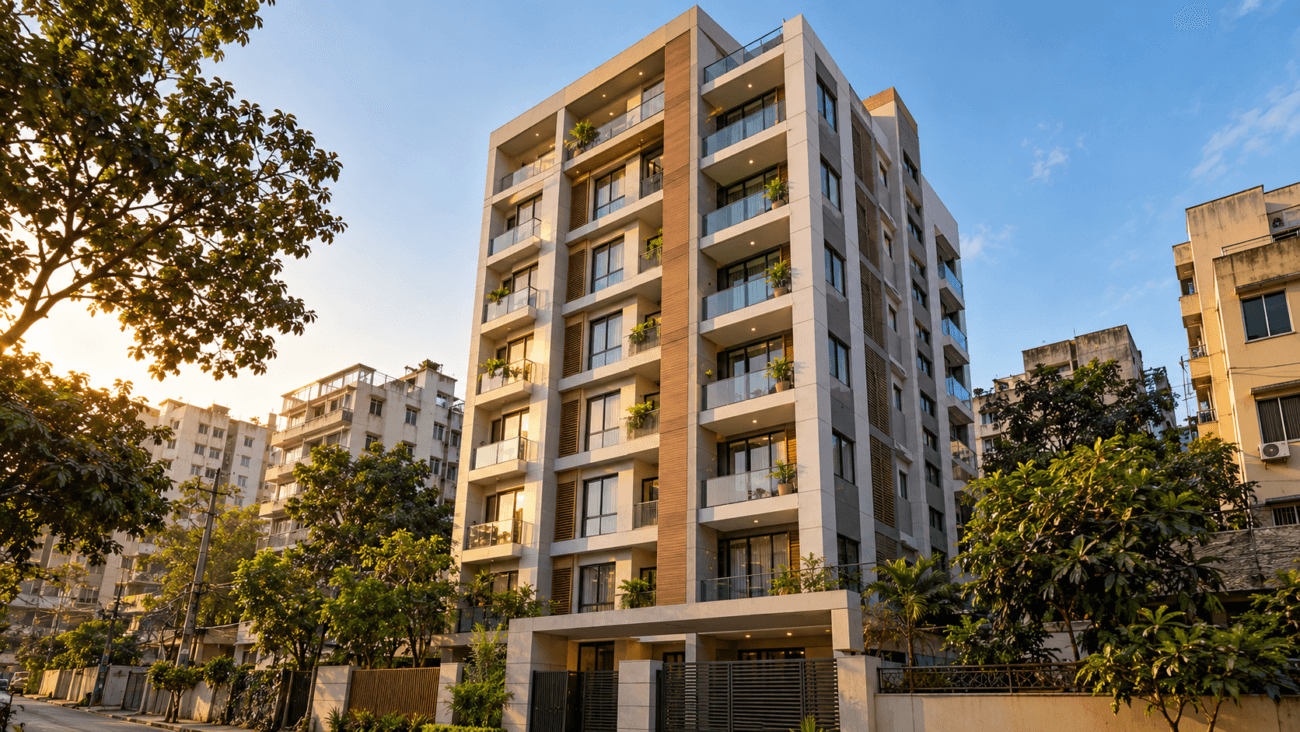
Six to ten storeys is one of the most common building heights in Dhaka. It covers a large share of apartment buildings, small office blocks, clinics and mixed-use buildings with shops on the ground floor and flats above. At this height, a lift is not a luxury. It is the main way residents, visitors and goods move through the building every day.
So how do you choose the right lift? The answer depends on your building, not on a fixed package. This guide walks building owners and developers through the decisions that matter most, in plain language, so you can ask the right questions before you sign a contract.
Start With How the Building Will Be Used
Before discussing brands or prices, be clear about who will use the lift and what they will carry.
- Residential apartments – families, elderly residents, children, groceries, furniture moves and occasionally a stretcher in a medical emergency
- Offices – heavy use at the start and end of the working day
- Clinics and diagnostic centres – wheelchairs, trolleys and possibly beds; a hospital lift may be needed
- Mixed-use buildings – shoppers on lower floors and residents above, sometimes with goods deliveries
Each use leads to a different cabin size, door width and speed. Our guide to types of elevators for buildings in Dhaka explains passenger, hospital, cargo, capsule and home lifts in more detail.
Choose the Right Lift Capacity and Cabin Size
Capacity is shown as the number of persons and the rated load, for example a 6-person (450 kg) or 10-person (750 kg) cabin. Bigger is not always better. A larger cabin needs a larger shaft and a bigger motor, which increases cost.
Questions to ask:
- How many flats or offices are on each floor?
- How many people will use the lift at the busiest time of day?
- Will residents move furniture, or will patients need to lie flat on a stretcher?
- Do you need wheelchair access with enough space to turn?
Many residential buildings at this height use a passenger lift in the 6–10 person range, but the right size depends on the number of units, peak usage and the shaft. Sheikh Elevator World confirms the recommended capacity during the site survey.
One Lift or Two?
A single lift may be enough for a small building with few flats per floor. As the number of storeys and units grows, waiting times grow too, and if the only lift breaks down, everyone above the ground floor is affected. A second lift adds cost but gives backup and shorter waits.
The decision should come from a simple traffic review of the building’s population and use: how many people live or work there, when the busiest times are, and how much disruption a breakdown would cause. Ask your lift company to explain this review in writing.
Machine Room or Machine Room Less (MRL)?
Most buildings of this height use a traction lift, which moves the cabin with steel ropes and a counterweight. There are two common layouts:
Traction lift with machine room (MR)
The motor and controller sit in a separate room, usually on the roof above the shaft. This makes the equipment easy to reach for servicing, but you need to plan and build the machine room.
Machine Room Less (MRL)
The drive system is fitted inside the shaft, so no separate machine room is needed. MRL lifts are increasingly popular in new Dhaka projects because they save roof space and suit tight urban plots.
Which is better depends on your design, shaft size and budget. If the building is still in the design stage, discuss this early with your architect and lift supplier.
Check the Shaft, Pit and Overhead Space
The shaft is where many Dhaka projects run into trouble. If the shaft width, depth, pit depth or top-floor overhead height does not match the lift specification, civil correction work is needed before installation, and that cost is usually separate from the lift quote.
- Get the lift supplier’s shaft drawing before the shaft is built
- Make sure the pit is waterproof and the shaft walls are straight and solid
- Confirm the overhead space at the top floor
- For an existing shaft, share its actual measurements before asking for a quotation
Plan for Power Cuts From Day One
Load shedding still happens in Dhaka, and a lift that stops between floors is a real safety concern. Plan for:
- Three-phase power – most lift motors need a 3-phase supply; check your DB board early
- Automatic Rescue Device (ARD) – moves the cabin to the nearest floor and opens the doors during a power cut; read what ARD is and why it matters
- Generator connection – connecting the lift to the building’s generator keeps it running during longer outages
Doors, Speed and Comfort
Automatic sliding doors are standard for passenger lifts at this height. Center-opening doors open faster, while side-opening doors can suit narrower shafts. Make sure the door width suits wheelchairs and trolleys.
Speed matters more as the building gets taller. A lift that is too slow causes long waits; one that is faster than needed adds cost without much benefit. Traction lifts typically run at speeds from about 1.0 m/s upwards, and the right speed for your building is set during the survey based on travel height and traffic.
Brand, Parts and After-Sales Support
The lift you choose will need servicing for many years. Before deciding on a brand, ask:
- Are spare parts stocked in Bangladesh, or do they have to be imported?
- Who will service the lift after installation, and how quickly can they respond?
- What does the warranty cover, and is it written in the contract?
- Is an Annual Maintenance Contract available after handover?
Sheikh Elevator World supplies Sheikh Elevator and other brand options according to the project specification and availability, and our technicians have experience with 15+ elevator brands. After installation, we support the lift through elevator AMC and repairs.
Check Approvals and Building Codes
Lift installations in Dhaka should follow the Bangladesh National Building Code (BNBC) 2020 and the building approval requirements of RAJUK or the relevant authority. Talk to your architect and engineer early so the lift, shaft and safety features match the approved plan.
What Will It Cost?
Price depends on capacity, number of stops, brand, MR or MRL layout, shaft condition and installation scope. Our Dhaka lift cost 2026 guide explains what is usually included in a quote and the hidden costs to watch for. As a reference, the guide lists mid-range passenger lifts at roughly Tk. 8–14 lakh for 4–6 floors and premium imported passenger lifts at roughly Tk. 16–28 lakh for 4–8 floors. Taller buildings with more stops generally cost more, so a 6–10 storey project is quoted after a site survey.
Frequently Asked Questions
What size lift is best for a 6–10 storey apartment building?
It depends on the number of flats per floor, peak usage and shaft size. Many residential buildings at this height use a passenger lift in the 6–10 person range, but a site review should confirm the right capacity.
Is an MRL lift good for Dhaka buildings?
MRL lifts are a good option for many new buildings because they do not need a separate machine room. Whether it suits your building depends on the shaft design, budget and service access.
Do I need an ARD if the building has a generator?
An ARD and a generator do different jobs. The ARD brings the cabin to the nearest floor when power fails; the generator keeps the lift running during longer outages. Many buildings plan for both.
Can a lift be installed in an existing building?
Yes, if there is a suitable shaft or space to build one. A site survey will check the dimensions, pit, overhead space and power supply before a quotation.
When should I contact a lift company?
As early as possible, ideally at the design stage. Planning the shaft to match the lift specification avoids costly civil corrections later.
Get Expert Advice for Your Building
Choosing the right lift is much easier with a site review. Call Sheikh Elevator World at 01795-244154 or visit our Contact Us page. Share your building location, number of floors, shaft size and how the building will be used, and our team will recommend a suitable lift type, capacity and specification.